
Student Wellbeing Programs in Schools That Become Part of How You Teach

TBOKI’s Positive Psychology Integrated Education approach connects wellbeing, regulation, relationships and learning within everyday teaching. Schools gain practical programs and support shaped around their staff, students and culture.

Enquire About Our Programs Today!

What Are Student Wellbeing Programs in Schools?

Student wellbeing programs in schools help young people feel safe, connected and ready to learn. Effective support connects student needs with educator capability, classroom relationships, teaching and school culture.

TBOKI’s Positive Psychology Integrated Education approach brings strengths, agency, meaning, belonging and positive relationships into everyday teaching. These connect with an understanding of development, regulation and embodied learning, helping educators translate the approach into classroom language, interactions and practice.

When Wellbeing Initiatives Feel Fragmented

Schools may already have wellbeing programs and dedicated staff, yet still face disengagement, educator fatigue and inconsistent behaviour responses. TBOKI helps connect existing efforts with what happens in classrooms each day.

Teachers may understand the theory but need practical language when a student struggles. Leadership teams may need a clearer way to embed professional learning. Support addresses both educator capability and the school conditions that help staff apply it.

Student Wellbeing Support Built Around Your School

Choose a starting point based on your priority: whole-staff learning, educator regulation, curriculum engagement or a school-wide review. TBOKI can help you identify suitable support.

UPLIFT™

UPLIFT™ is TBOKI’s flagship whole-staff program in Positive Psychology Integrated Education. It connects adolescent development, regulation, embodiment, trauma-responsive practice, restorative practice and respectful relationships. Educators build shared language and practical responses that support connection, clear expectations, accountability, repair and a return to learning. Best suited to schools seeking a consistent approach across staff. Explore the UPLIFT™ Program

The Regulated Educator™

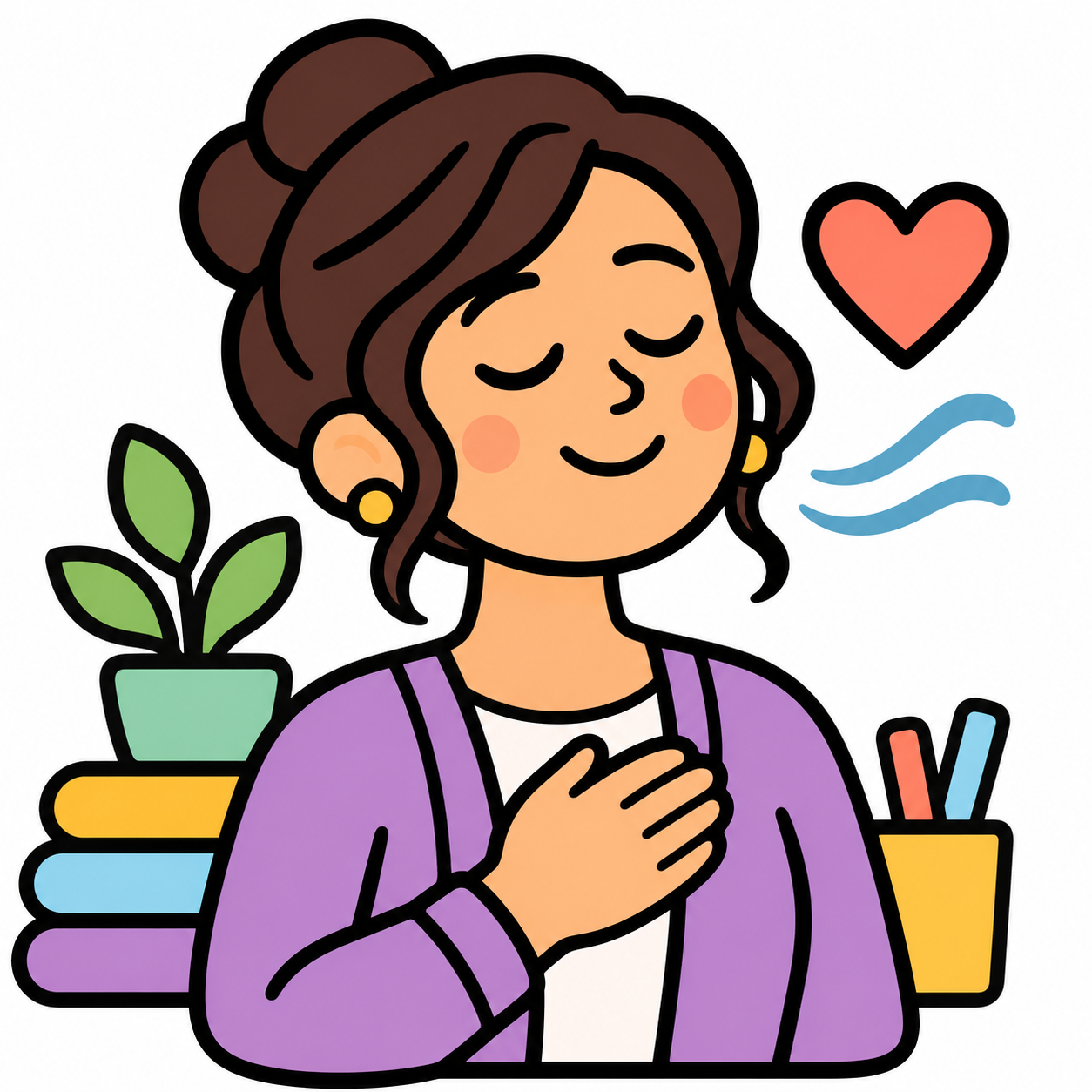
The Regulated Educator™ focuses on the adult leading the room. Staff explore how their state, tone, pacing and responses contribute to the classroom environment. Practical support helps educators recognise activation, recover, maintain boundaries and co-regulate with students. Best suited to teams prioritising educator wellbeing and relational classroom practice.
The Moving Curriculum™

The Moving Curriculum™ helps educators bring movement, embodiment and active participation into curriculum delivery. Teachers explore ways to support regulation, engagement and meaning-making within lessons. Best suited to teams seeking more inclusive, physically engaging teaching approaches.
Consulting, Audits and Tailored Professional Learning

Support can include leadership consultation, school wellbeing audits and tailored learning in trauma-informed practice, respectful relationships, safeguarding, student voice and leadership. Reviews can consider workload, leadership, resources and culture alongside educator capability. Best suited to schools needing to clarify priorities or address a specific challenge.

How TBOKI Connects Wellbeing, Behaviour and Learning

What This Can Change for Your School Community

The aim is not to promise a school without difficult moments. It is to help your adults respond with greater understanding, confidence and consistency when those moments occur.

Support for Australian School Communities

TBOKI supports schools and educators across Australia, with a priority focus on the Gold Coast, Brisbane and Sunshine Coast. Programs and consulting can be shaped for government, Catholic and independent schools, with secondary education as the primary focus.

You can also explore support for schools and institutes, professional learning for teachers and educators or trauma-informed practice.

Frequently Asked Questions About Student Wellbeing Programs

What should a student wellbeing program include?

A strong program should connect student wellbeing with behaviour, relationships, learning, staff capability and school culture. It should give educators practical tools and include a clear process for implementation rather than relying on isolated activities.

Both. Schools can explore defined programs such as UPLIFT™, The Regulated Educator™ and The Moving Curriculum™, as well as consultation, audits, workshops and tailored professional learning.

UPLIFT™ builds a shared whole-staff approach. The Regulated Educator™ focuses on educator regulation and wellbeing, while The Moving Curriculum™ supports movement and embodied teaching within lessons. If you are unsure where to begin, a consultation can help clarify your priorities.

Yes. TBOKI can support government, Catholic and independent schools. The work has no religious undertone and can be tailored to each school’s context and priorities.

No. Schools may seek support because of behaviour concerns, staff fatigue, fragmented initiatives, strategic planning or a desire to strengthen culture before challenges intensify.

Yes. A school may begin with a consultation, audit, targeted professional-learning session or a broader program. The best starting point depends on your current needs and desired level of implementation.

TBOKI’s primary positioning is secondary education, but primary educators may also benefit from its regulation, relationship and embodied-learning approaches. Suitability can be discussed directly with TBOKI.

Build Wellbeing Into the Way Your School Works

Bring wellbeing into classroom relationships, teaching and school culture through Positive Psychology Integrated Education. TBOKI can help you identify a practical starting point for your staff and students.

Tell us what your school is experiencing and what you want to change. We can discuss a defined program or tailored support that fits your priorities.